
#KONTRAClimatechange
Bojujeme komunikací proti změně klimatu.
Malá, ale výkonná divize studia KONTRA, která se specializuje na evidence based komunikaci.
Jsme agentura, která nabízí komunikační služby firmám i organizacím, jež se aktivně zasazují o transformaci společnosti k udržitelnosti, rozvoj bezuhlíkového a cirkulárního hospodářství a ochranu přírody. Děláme strategie, digitální kampaně, media relations, tvoříme videa a designujeme reklamu. Děláme komunikaci, která jde přímo do srdce ale je založená vždy na faktech.
Za dvanáct měsíců naší práce jsme dostali do médií více než 600 článků v hodnotě přes 220 milionů czk a zasáhli populaci Česka více než 11x. Podívejte se:
Showreel
Deník našeho prvního roku v komunikaci klimatu. Celkem tři roky jsme v Česku zajištovali strategickou komunikaci pro European Climate Foundation a radili s kampaněmi dvacítce environmentálních organizací.
Podívejte se na naše případové studie:
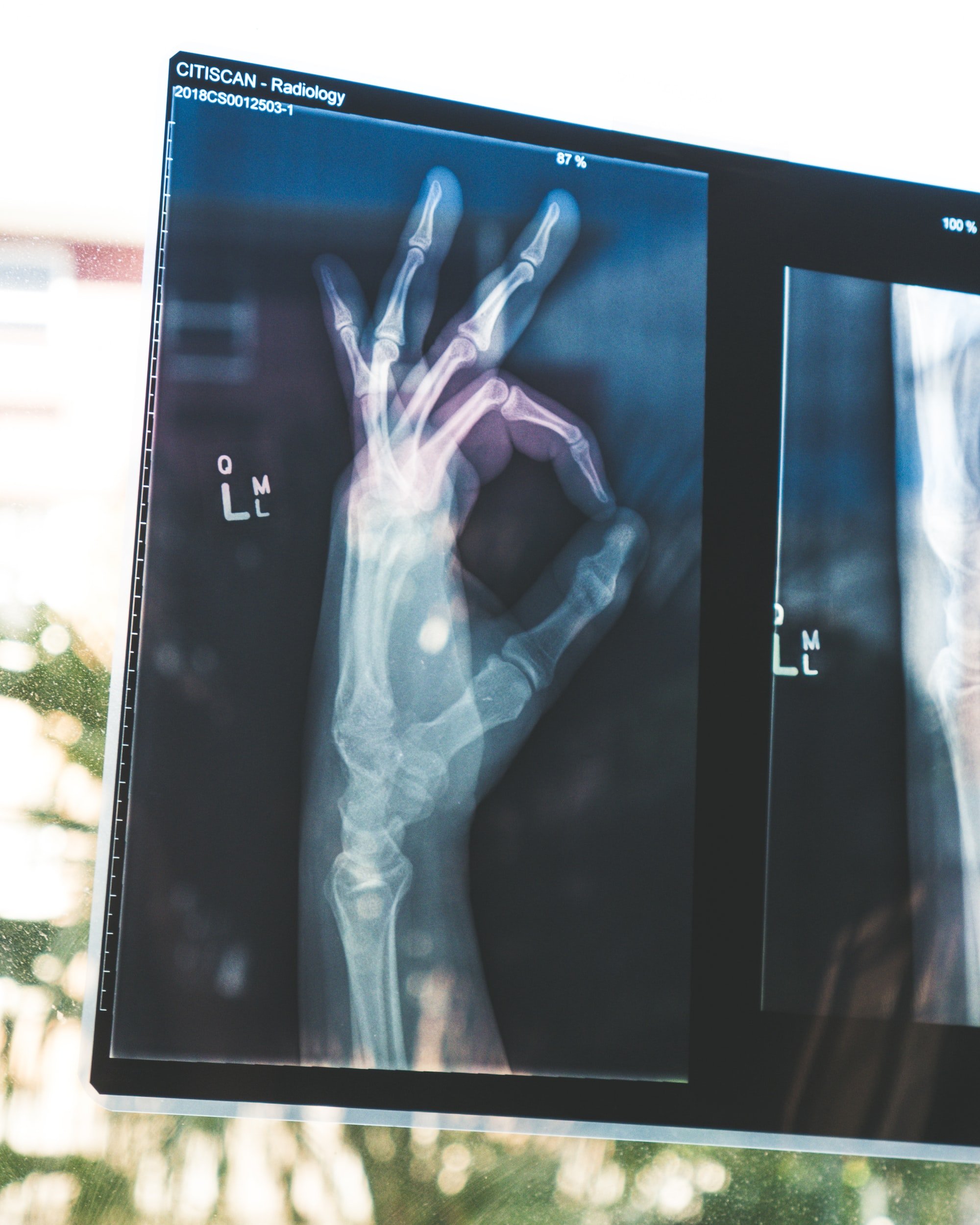
Lékaři za zdravé srdce Evropy
Vzhledem k tomu, že se pandemie koronaviru stala v roce 2020 klíčovým motorem komunikace napříč celou společností, zdraví se stalo převládajícím zájmem většiny veřejnosti. Tak jsme se rozhodli, že chceme využít této situace k propojení zdravotních dopadů těžby a spalování uhlí v České republice a vytvořit impuls pro první zapojení lékařské komunity do klimatické kampaně.
Kampaň byla načasována kolem krajských voleb 2020, které se konaly i v uhelných regionech, kde často kandidují lékaři.
V neposlední řadě hrála roli skutečnost, že různé vědecké studie spojily znečištění ovzduší se zhoršenou reakcí na covid-19.

Kampaň k energetické krizi na podzim 2021
Ještě před Ruskou invazí na Ukrajinu začali v Česku a velké části Evropy stoupat strmě ceny energií již na podzim 2021. V říjnu 2021 to vedlo dokonce ke krachu několika distributorů energií v čele s Bohemia Energy. Okolo 700 tisíc domácností a firem bylo v ten moment zasaženo energetickou chudobou. Většina z nich totiž byla nucena přejít k tzv. dodavateli poslední instance a musela začít platit zálohy dané aktuálními tržními cenami. V praxi to znamenalo 300% nárůst nákladů pro desetinu české populace. Cílem komunikační kampaně bylo v první řadě identifikovat postižené a přesvědčit vládu k cílené pomoci. Zároveň se rozjela osvětová kampaň poukazující na příčiny zdražení a vyvracející mýty, že za ním stojí zdražení emisních povolenek.

“20 let jsme tu propagovali problém globálního oteplování. Nyní je načase propagovat i řešení. A transformace k udržitelnosti je řešením hned několika problémů. Bezpečnostním, protože snižuje závislost na nepřátelských režimech a jejich dodávkách surovin jako je ropa. Je řešením ekonomickým, protože obnovitelná energie snižuje ceny spotřebitelům. Zdravotním, protože díky ukončení spalování fosilních paliv budeme mít čistší ovzduší. A v neposlední řadě, je řešením změny klimatu. Díky nižším emisím zajistíme větší biodiverzitu a lepší životní podmínky pro generace našich dětí.”
— Adam Panenka, zakladatel studia KONTRA
Naše komentáře:
-

Je čas transformovat energetiku, ruský fosil by měl být pro Česko v EU výzvou
Rozvoj obnovitelných zdrojů v Česku dlouhodobě stagnuje. Poukazuje to na jednu nebezpečnou vlastnost převažujícího českého vztahu k Evropské unii. Dokud se nedomluvíme na cíli, neuděláme ani ťuk. České předsednictví EU nám vzhledem k neklesající spotřebě fosilních paliv z Ruska dává vhodnou příležitost opustit perspektiv cílů a začít změny konečně realizovat.
-

Každý by chtěl žít v Bruselu
Až na to, že asi ne. Představte si to. Je středa, půl dvanácté večer. Sedíte po několikátém silném belgickém pivu nad hranolkami a fascinovaně sledujete všechno to mezinárodní hemžení okolo. Vedle vás sedí pár, kdy on mluví italsky a ona francouzsky. Barman je Albánec a kamarád, co se za ním zastavil Srb. Všichni, které potkáte, od prodavačky přes policistu až po popeláře, mluví valonsky, vlámsky, francouzsky a anglicky. Ideál městského liberála. Teda alespoň jak já jsem vše sledoval tento týden. A jak malej kluk jsem se tetelil z toho, co na první pohled vypadá jako ráj na zemi.
-

Lidstvo potřebuje objevit ufouny. Nebo dostat více žen do politiky, jinak se tu uvaříme
(…) Zbývají nám tedy jenom dvě věci, jak zachránit budoucnost lidstva na planetě Zemi. Prvním je, že konečně objevíme ufouny, začneme se jich bát a celá planeta Země se proti nim spojí v typické, mužské, soutěži. V rámci zachování kompetitivní soutěže s emzáky zvládneme snížit emise a zastavit zrychlování globálního oteplování možná i dřív, než v roce 2030.
Tou druhou možností je, že dostaneme více žen do politiky a vedení společnosti. Díky tomu začneme spolupracovat, namísto toho abychom soutěžili, kdo poslední odloží kolty. I když totiž budete nejzdatnější pistolník, až zůstanete sám na poušti, kolty vás nenasytí.
-

Je načase vytáhnout svetr. Cože?!
Ano, extrémní horka mohou mít za důsledek nevyspání a dokonce vidiny, jak nedávno upozornili vědci. Vzhledem k tomu, že v Česku jsou druhý týden třicítky, bylo by to pochopitelné. Ale vidíte dobře - je načase vytáhnout svetr. A první, kdo by si ho měl obléci je premiér Fiala.
Rusko zaútočilo na Ukrajinu a okupuje její východní a jižní území. Spolu s dvouletou pandemií koronaviru vytvořila geopolitická situace stav klimatické a energetické války.
-

Úspěšná globální klimatická spolupráce není oxymóron. Ozonový režim je toho důkazem
Letošní COP27 má dramatický závěr. Dva dny po oficiálním ukončení stále nebyla známá finální dohoda, která má posunout planetu zase o krok blíž k uhlíkové neutralitě a klimatické spravedlnosti. Otázkou nasnadě zůstává, zda je možné, aby se státy v otázce klimatu někdy shodly nebo jsou klimatické konference jen přehlídkou silných řečí bez odpovídajících výsledků. Pár dní před COP27 skončila v Montrealu další klimatická konference a ta se zdá být mnohem úspěšnější.
-
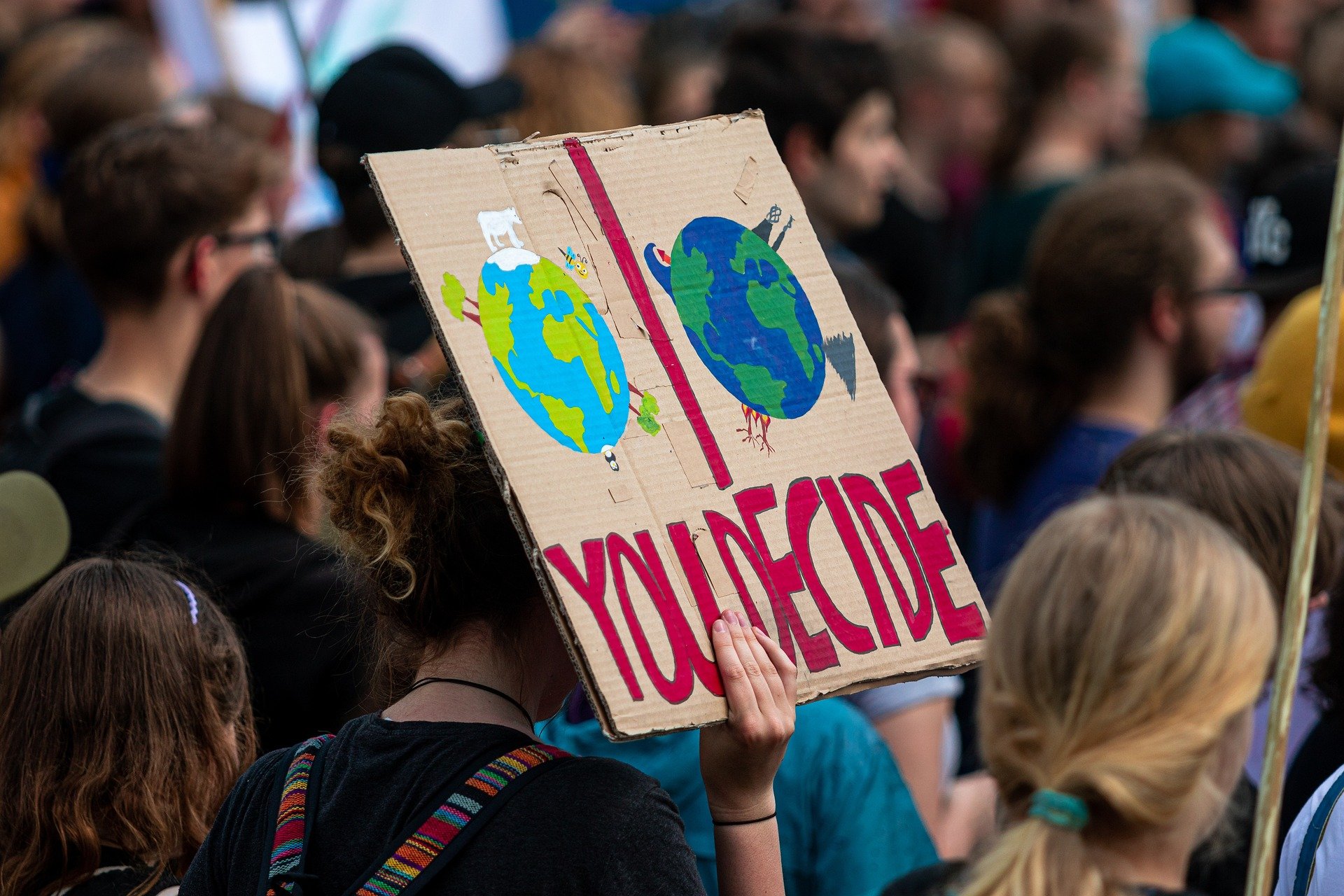
Fond „ztrát a škod“ je jen částečným úspěchem klimatické konference COP27
Závěry klimatické konference COP27 vzbuzují rozporuplné emoce. Na jedné straně jsme se přiblížili ke klimatické spravedlnosti, na straně druhé jsou závazky ke snížení emisí skleníkových plynů stále méně ambiciózní. Nerespektují tak urgenci, kterou vysílá nejen Mezivládní panel pro změnu klimatu, ale i regiony, města a lokální komunity. Vznik fondu „Loss and Damage” je tak sice historickým úspěchem mezinárodních vyjednávání, řešení klimatické krize ale nikam neposouvá.
-

Vyhrát volby s ochranou klimatu nejde. S ochranou české krajiny ano, říká expert na komunikaci
Green Deal Češi nesnášejí hlavně proto, že je z Bruselu, jeho jednotlivé části ale podporují. Stačí je zabalit do českých barev a kterýkoli politik má s nimi vyhráno, tvrdí Adam Ondráček, který se svojí agenturou Kontra věnuje poslední tři roky komunikaci klimatické změny.
-

Je Česko energetickým srdcem Evropy, nebo spíše periferií Polska?
Být srdcem Evropy je skvělé, ale nevyužíváme toho naplno. Jak by bylo jinak možné, že vlakový spoj Berlín–Vídeň Česko raději objíždí, protože je to rychlejší? Někde jsme zaspali. S úspěšným českým předsednictvím EU za námi ale máme obrovskou šanci nečinnost minulých vlád dohnat.
Energetika a doprava jsou v Česku dva největší zdroje emisí, které oteplují planetu a způsobují změnu klimatu. Česká energetika je z 60 procent závislá na uhlí a plynu a doprava v Česku je zase závislá na neúplné síti nekvalitních dálnic a velké síti velmi pomalých železnic. Hustota železnic je ovšem v kontinentální Evropě v Česku vůbec největší. Jak je tedy možné, že dojet z Prahy do Ostravy, ať už autem či vlakem, trvá stejně dlouho jako letět do Madridu?
-

Střední Evropa by mohla mít o třetinu levnější energii. Stačí posilovat přeshraniční energetická spojení
Podle studie mají středoevropské země značný potenciál pro výrobu větrné a solární energie, který by mohl dosáhnout až 200 GW do roku 2030. To je ekvivalent stonásobku jedné jaderné elektrárny Temelín, píše Nikola Adamovská.
-
Pár dobrých zpráv z ochrany klimatu do nového roku
Náboženství a boj proti změně klimatu od sebe nemají tak daleko. V obou případech jde totiž o to, zda tomu věříte. Nehovořím nyní o vědeckých faktech, která jasně ukazují, že důvodem oteplování jsou průmyslové emise, které vypouští člověk. Hovořím o tom, že chcete-li se změnou klimatu něco udělat, musíte nakonec věřit v člověka, respektive v lidstvo, že to dokáže.
-

Dvacet let v EU? Rekordní počet postavených rozhleden a infrastrukturní dluh.
Od EU jsme za 20 let získali na příspěvcích přes 1 bilion korun. Zatímco jsme je vydali sektorově široce decentralizovaným dotačním systémem převážně do velkého počtu menších regionálních a lokálních projektů, jiné státy jaHospodářské noviny, 6.5.2024ko Polsko či Estonsko jich využily jinak. Ukazuje se, že zatímco Poláci se stali rekordmany v počtu postavených dálnic, Češi mezitím postavili rekordní počet rozhleden.
-

Znečištění s povolením: Jak Tykač a Křetínský těží z výjimek a dotací za cenu našeho zdraví
Na první pohled se může zdát, že udělování výjimek na vypouštění emisí a znečišťujících látek velkým energetickým podnikům je pro český stát a jeho občany přínosné. „Slevy“ ze zákonem daných limitů se dlouhodobě udělují s argumentem, že se tím podporuje energetická stabilita Česka a česká ekonomika. Při podrobnějším pohledu na kontext a dopady udělování emisních výjimek největším českým znečišťovatelům však vyvstává otázka, zda stát a občané na takové politice ve skutečnosti spíše netratí. Zvláště když elektřina z těchto elektráren není dle analýz nepostradatelná.
-

Znečišťovatel platí? V Česku inkasuje, pokud má politické krytí
Benevolence státu k velkým firmám je dána i tím, že Česko má podle časopisu The Economist druhý největší podíl HDP v sektorech navázaných na stát na světě (prvním je nepřekvapivě Rusko) a je tak náchylné ke klientelismu. Řada českých miliardářů by nebyla tam, kde jsou, pokud by netěžila z volné nebo neexistující regulace, případně pomalé politické reakce na potřebu regulace zavádět.
-

Ať škody po povodních uhradí ti, kteří je způsobili. Uhlobaroni
Ačkoliv voda po nedávných povodních už dávno opadla, obrazy zkázy máme stále před očima. Stát i obce sčítají škody a řeší, kde vezmou peníze na náhradu škod. A proč by škody nemohly zaplatit energetické firmy, které spalováním uhlí povodně způsobily?
-

Bydlení k nezaplacení. Jak Tykač a politici mění Prahu v Airbnb skanzen a zastrašují novináře
V Praze bylo totiž dle statistik běžně v posledních předcovidových letech v nabídce třikrát více AirBnb bytů než těch k dlouhodobému pronájmu. A po covidové pauze, bez výraznějších protiopatření, tento počet opět rychle roste. Kde je zakopaný pes?
-
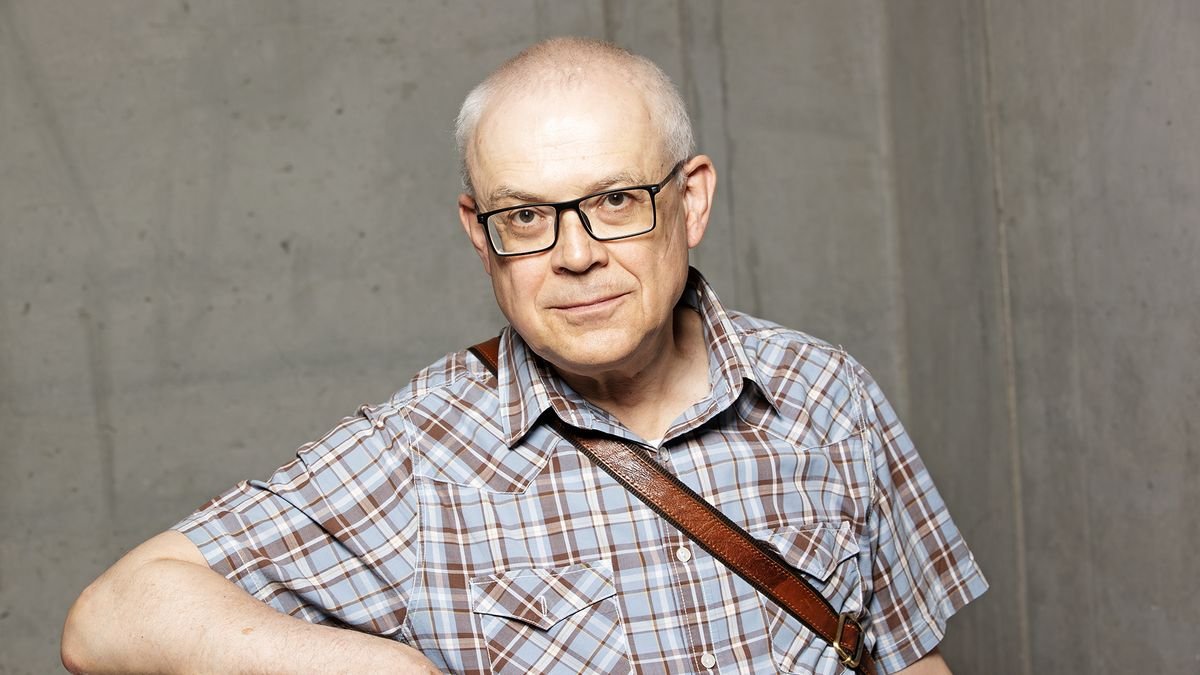
Rozum nad vášní: Budoucnost české energetiky je ve větru a slunci
Moje největší politické přání se splnilo. Česko je členem Evropské unie a letos jsme oslavili 20 let od našeho vstupu do ní. Byl to víc než sňatek z rozumu, prohlásil, jak si pamatuji, tehdejší prezident Václav Klaus při podpisu smlouvy o přistoupení v Athénách v roce 2004. Ale rozumu v tom rozhodnutí bylo mnoho.
-

Evropská elektrická supersíť může být integrovaným obranným projektem EU
Supergrid je nejlepší sázkou Evropy na stabilní, odolnou a bezpečnou energetickou budoucnost. Tedy udržitelnou. Již léta se diskutuje o tom, zda a kdy by se Evropa měla centralizovat a více federalizovat. Supergrid je jedním z projektů, kde si můžeme zachovat svá národní specifika a zároveň vytvořit skutečně integrovanou evropskou obranu. A nelze najít lepší místo pro umístění této sítě Supergrid než ve spolupráci s Českem. Skutečným srdcem Evropy, které pumpuje elektrický puls do žil tohoto velkého evropského těla.
-

Evropo, máš nějaké karty?
Český premiér Fiala spolu s polovinou premiérů a prezidentů EU žádá v otevřeném dopise Ursulu von der Leyenovou o více financí na vysokorychlostní železnice. Je to vůbec oprávněné, zatímco některé z těchto zemí, zejména Česko, dosud nepostavily ani kilometr vysokorychlostních tratí?
Když se globální svět rozpadá, potřebujeme jednotnější Evropu a možná že toto je právě ta nezbytná federalizace, které se většina evropských vlád bojí ze strachu ze ztráty národních identit. Možná nás může sjednotit společná infrastruktura, přičemž si zachováme své národní výhody a každý z lídrů bude moci hrát svou politickou hru na domácí půdě.
-

Köszönöm, Bábiš, köszönöm
Pokud bychom takovýmto „Visegrádským interkonektorem“ propojili naše sousedy, došlo by k naší i jejich opravdové integraci do Evropy bez jakékoliv ztráty národní hrdosti a identity. Elektřina nezná hranic. Neví, jestli je česká nebo maďarská. Celá řada studií v čele s těmi od prestižního think-tanku EMBER již ukazují, že by středoevropská integrace do jednoho energetického celku snížila ceny silové elektřiny o 29 %. Právě český průmysl hadový po energiích potřebuje takovouto injekci. Odhadované náklady 130 miliard korun na interkonektory nutné postavit na hranicích při této úspoře mají návratnost do tří let. Rusko už nebude moci vydírat Maďarsko energeticky, tak jak tomu činí v posledních desetiletích.
A až bude hotovo, Andrej Babiš konečně uslyší v lavicích evropské frakce Patrioti: köszönöm, příteli, köszönöm.
-

Zdraví na kolejích: Co když je vysokorychlostní železnice největší nevyužitý recept na prevenci?
Zatímco debaty o vysokorychlostních tratích (VRT) uvízly v kolejištích rozpočtových přestřelek mezi vládou a opozicí, územního plánování a výkupů pozemků, zůstává jedna dimenze tohoto projektu pozoruhodně opomíjena: zdraví. A přitom právě ono by mělo být jedním z nejsilnějších argumentů pro to, aby se s výstavbou VRT začalo dřív, rychleji a ambiciózněji.
Podle čerstvé studie z června 2024, zpracované výzkumným týmem pod vedením Centra dopravního výzkumu a Fakulty dopravní ČVUT, by zavedení vysokorychlostní železnice v Česku přineslo zásadní zdravotní benefity – a to nejen pro cestující, ale i pro ty, kteří do vlaku nikdy nenastoupí.

Chcete změnit svět? Tak začněte hned:
hello@wearekontra.com
00420 732 957 387
Opero
Salvátorská 8, Praha 1 - Staré Město, 110 00